Mallard

Green list

Anas platyrhynchos

The UK’s most familiar duck — the ancestor of nearly all domestic ducks and the benchmark every other species is measured against.

Dabbling duck · 610,000 breeding pairs (UK)

Measurements

Length
50–65 cm
Wingspan
81–98 cm
Weight
750–1,450 g

Identification gallery

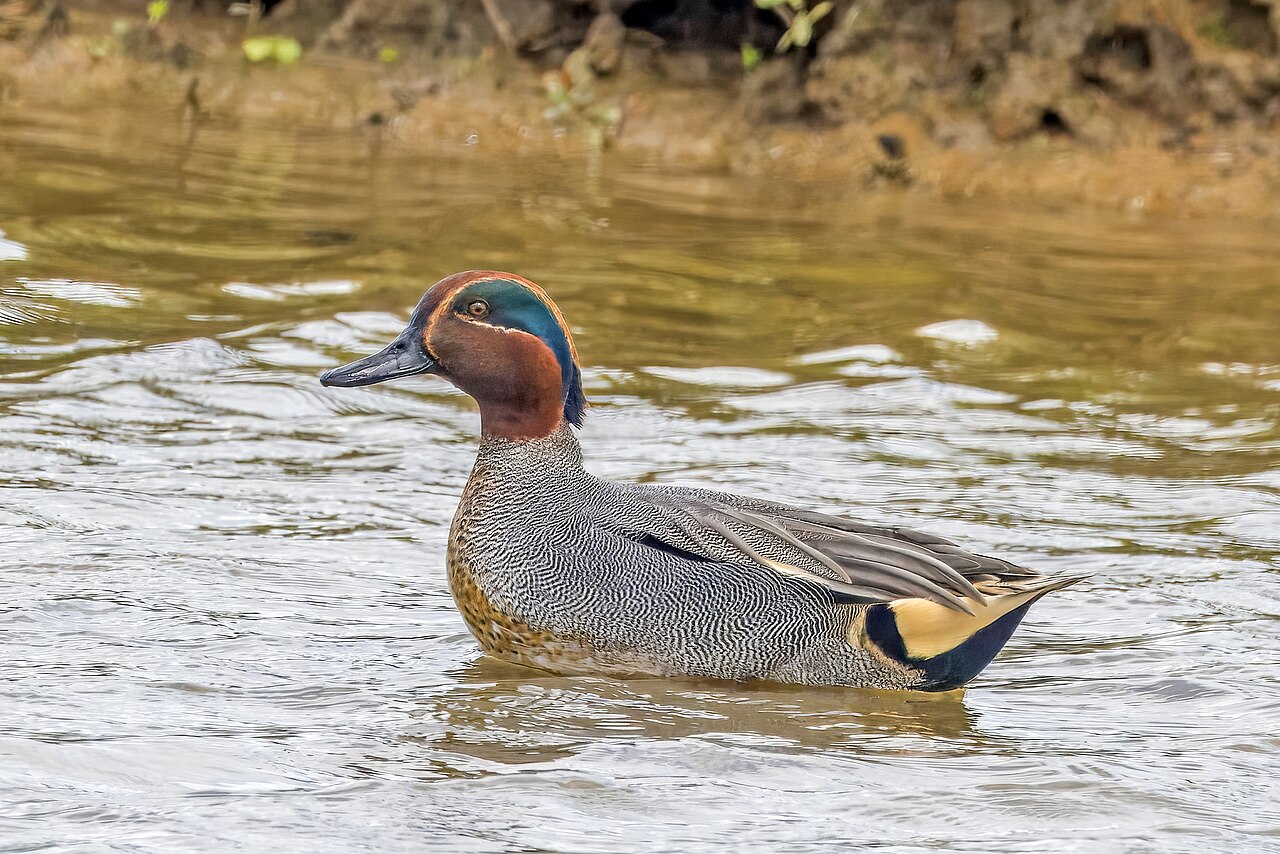
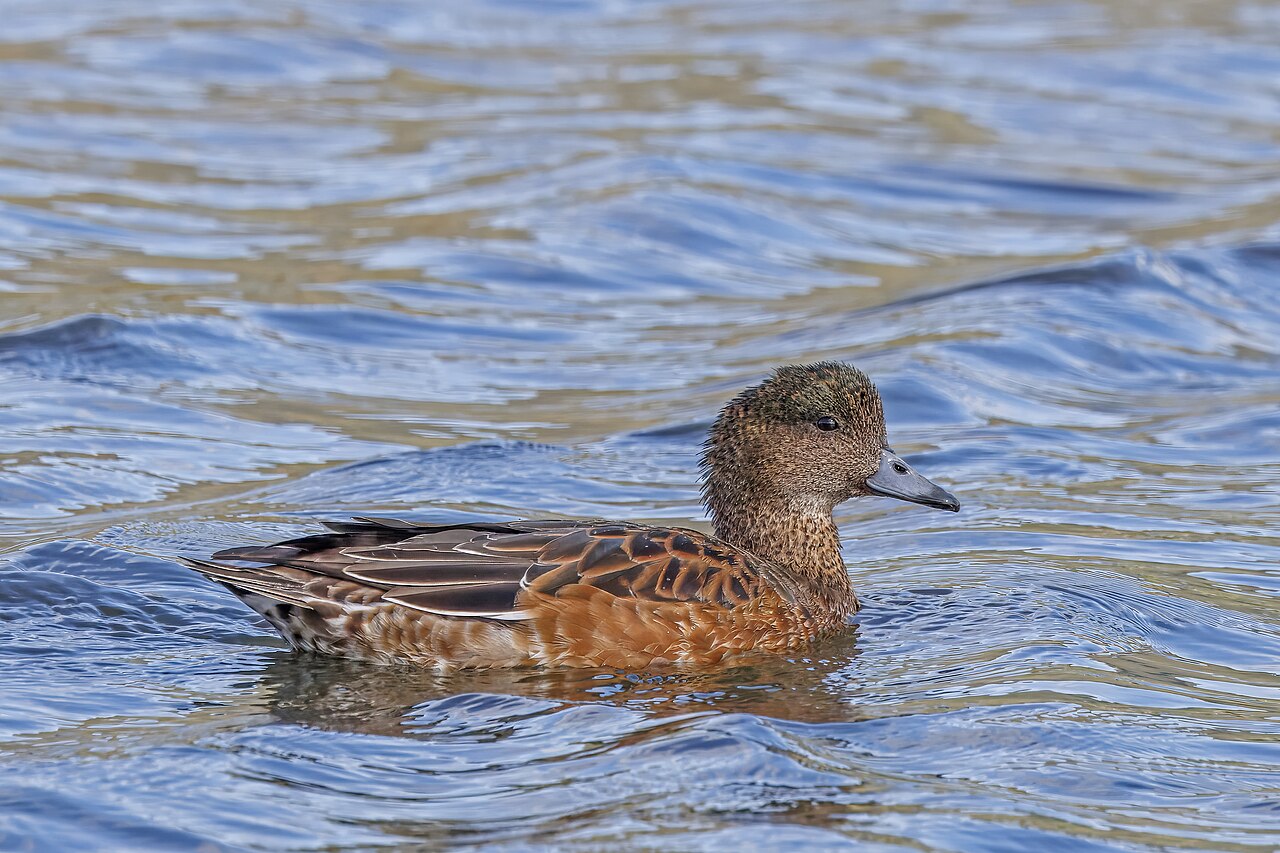
In most ducks the male (drake) and female (hen) look quite different. Study both to identify any bird.

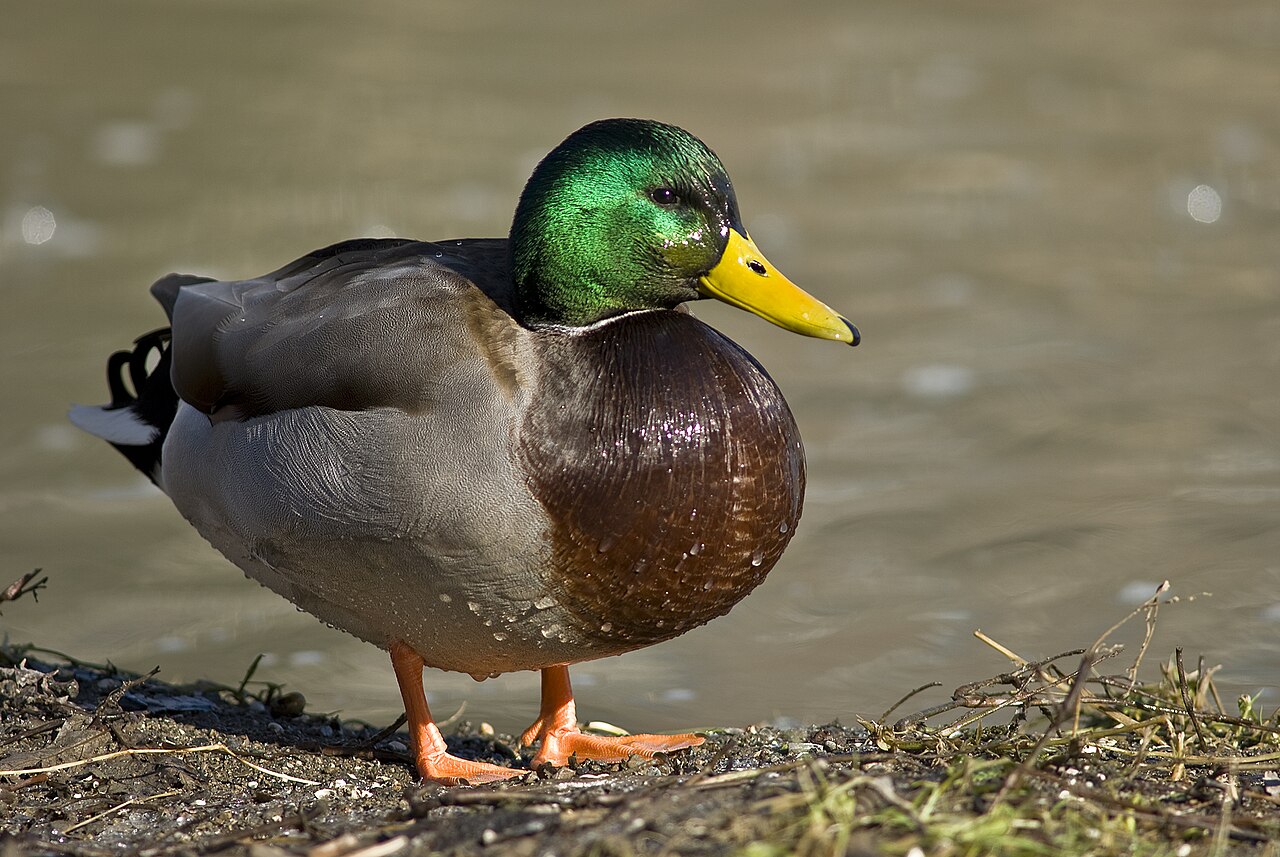
Male Mallard (drake)
Drake (male)

Glossy green head, yellow bill, white neck ring, chestnut breast and curled black feathers over the tail.

Female Mallard (hen)
Hen (female)

Mottled brown all over with a dark line through the eye and an orange-and-brown bill; blue-violet wing patch.

Photos: Acarpentier · CC BY 3.0 via Wikimedia Commons

Diet & feeding

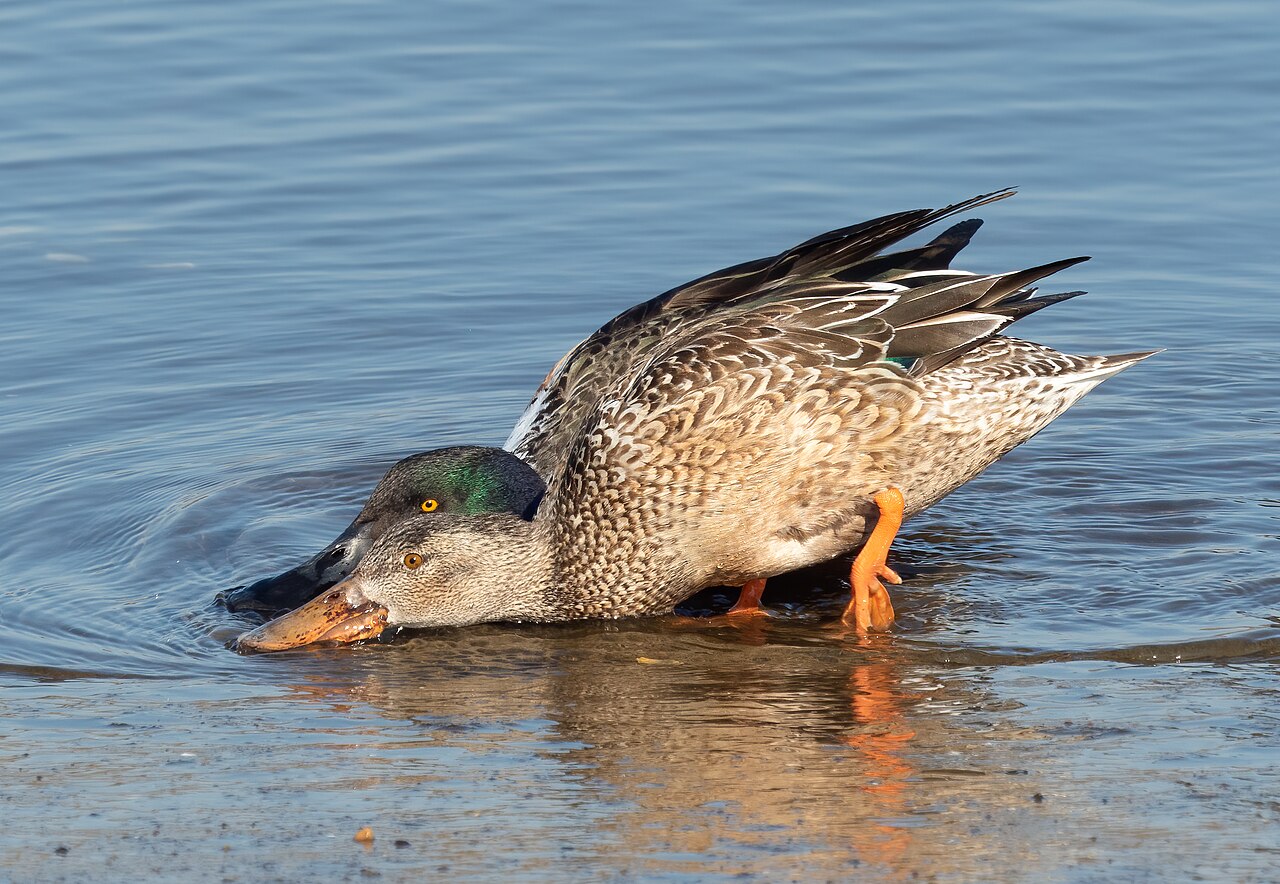
Omnivorous — seeds, aquatic plants, insects, snails, amphibians and even small fish, often up-ending in shallow water.

Dabbling (tips up, tail in the air) Medium (mallard-sized, 45–55 cm)

Habitat

Almost anywhere with water: park ponds, lakes, rivers, estuaries, flooded fields and city canals.

Breeding

Nests on the ground near water, often hidden in reeds. Ducklings leap from the nest within a day of hatching.

Migration

Largely sedentary; northern European birds boost the population in winter.

Vocalisation

The classic female "quack"; males give a softer, rasping call.

Read more about Mallard

Other dabbling ducks

Compare with close relatives.